
How to Fix a Bad Haircut (Stylist-Approved Guide)
This post may contain affiliate links, which means I'll receive a commission if you purchase through the link at no extra cost to you. Please read the full disclosure here.
TL;DR
If you’re trying to figure out how to fix a bad haircut, start by pausing, don’t panic-cut. Give your hair 3–7 days to settle, then assess whether the issue is uneven layers, choppy ends, too much bulk, or a length that feels way shorter than you expected. Most bad haircuts can be saved with a quick correction from your stylist, like rebalancing layers or softening harsh lines. In the meantime, use simple styling tricks like changing your part, adding waves, lifting the roots, or using accessories to visually fix the shape. If the cut feels too short, clip-in extensions can add instant length while you grow it out. Only trim tiny pieces at home (like a long bang strand), and avoid reshaping the cut yourself. Follow a grow-out routine with scalp massage, deep conditioning, and minimal heat to help your hair look and feel better as it grows. With the right tweaks, styling, and a little patience, every bad haircut can be fixed.
There’s nothing quite like that oh no… moment after a fresh haircut. You’re still sitting in the chair, smiling politely, but inside? You’re replaying every angle thinking, “Why is this shorter than I asked for? Why does this side look… choppy? And what are these layers doing?”
If that’s where you are right now, take a breath. You do not need to panic-cut, hide under a hat for three weeks, or stalk Reddit threads titled “how to fix a bad haircut.” I promise, there are real, stylist-approved ways to fix a bad haircut without making things worse.
In this post, I’ll walk you through how to fix a bad haircut, whether it’s too short, uneven, or just not you. After more than 10 years behind the chair, I’ve seen (and rescued) every kind of haircut mishap you can imagine. So you’re in safe hands here.
Let’s get your hair and your confidence back on track.
Always Assess the Hair Damage Before You Do Anything
Before you grab scissors, call the salon in tears, or text your best friend a photo saying “HELP,” pause for a second. The first step to fixing a bad haircut is figuring out what actually went wrong because not all haircut “disasters” need the same solution.
Here’s a quick checklist I use behind the chair when a client sits down and whispers, “Please fix this…”
Is it too short?
Did the stylist take off more than you expected, or does the final length sit in an awkward spot on your face or shoulders?
Is it uneven?
Sometimes one side flips out beautifully… and the other side has its own agenda.
Is it choppy or bulky in random places?
This happens when layers weren’t blended well, or when texturizing shears were used too aggressively.
Are the layers totally wrong for your hair type?
Long hair with random short layers, thick hair cut too blunt, fine hair over-thinned, it happens more often than you think.
Did the bangs go rogue?
Ah, yes… the classic “I only wanted a light face frame, and now I have mini micro-bangs” moment.

What Not To Do
When emotions are high, people tend to act fast, and fast usually means regret.
Don’t panic-cut or start “fixing” random pieces
Don’t assume the haircut is ruined (most aren’t)
Don’t wash it immediately, hoping it’ll magically fall differently
Don’t spiral on Google or Reddit (it’ll make you feel worse)
Your haircut is probably more salvageable than it looks in harsh bathroom lighting.
Follow the 7-Day Haircut Rule
There’s a reason we stylists often say, “Give it a few days.”
Hair needs time to:
Settle after a fresh cut
Relax from the blowout
Fall into its natural pattern
Fluff up or smooth out, depending on your texture
A haircut that looks too short on day one may look perfectly normal by day four once the initial “fresh cut bounce” calms down.
So, unless something is truly uneven or structurally wrong, waiting 3–7 days before making changes can save you from unnecessary fixes.
Rebook with Your Hairstylist
Once you’ve given your haircut a few days to settle, the next step is simple: reach out to your stylist.
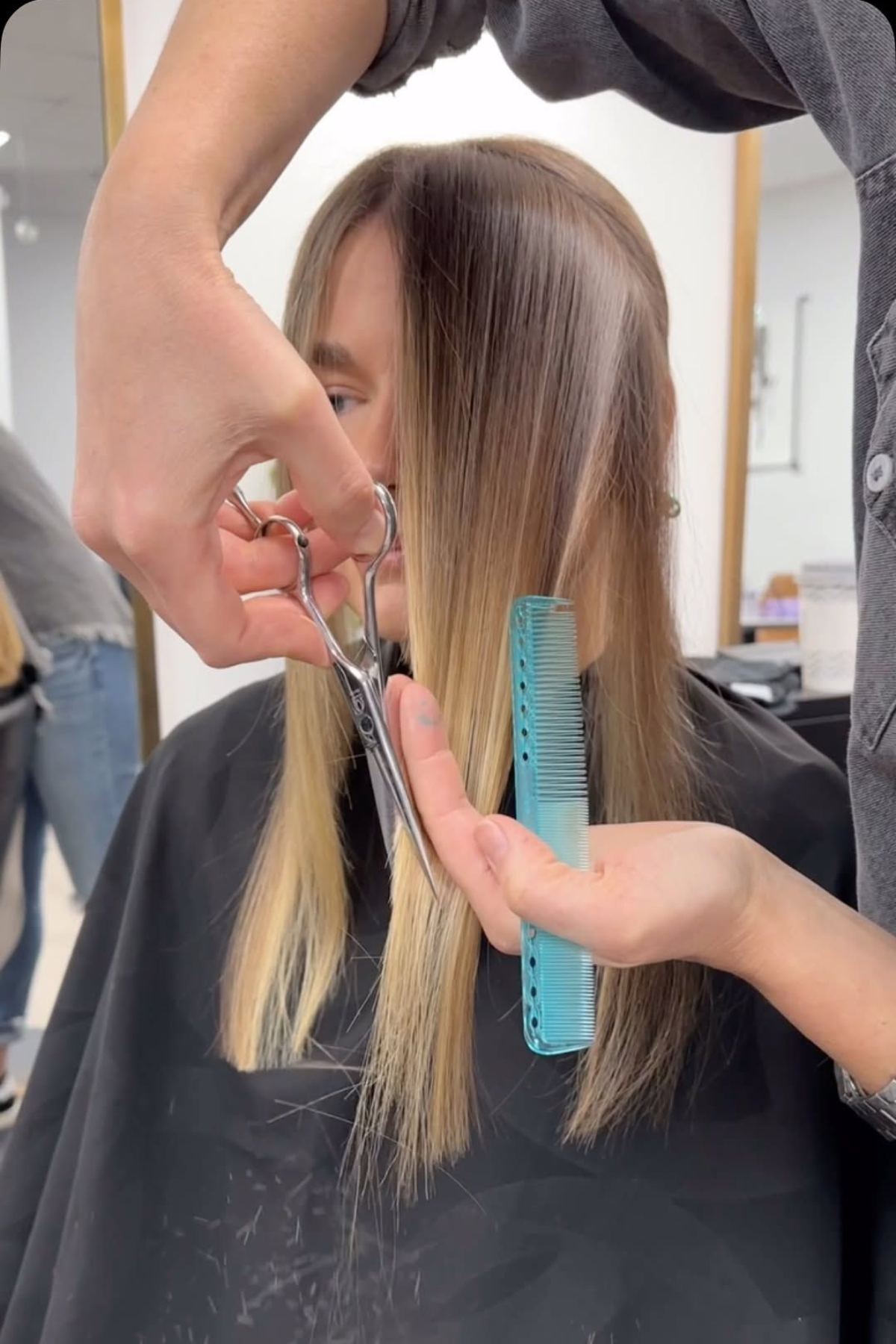
I know that can feel awkward, but most hairstylists truly want the chance to fix a cut that didn’t land. We see corrections as part of our job.
When It’s Worth Going Back to the Same Hairstylist
Go back to your original stylist if:
The shape is almost right, but needs refining
A layer sits too heavy or too short
A section looks uneven only when styled
The cut doesn’t match what you meant, but the communication was unclear
In these cases, a correction is usually quick, sometimes a 10-minute tweak that makes everything fall into place.
👉 Check out my guide on Common Haircut Mistakes to Avoid before your next salon visit!
When You Should Consider a New Hairstylist
Choose a different stylist when:
The haircut is technically incorrect (blunt chunks, harsh lines, bad blending)
The stylist didn’t listen to what you asked for
You felt rushed or dismissed
You don’t feel comfortable going back
Your comfort matters. Fixing a cut requires trust, and if that trust wasn’t there the first time, it might not magically appear the second.
How to Ask for a Haircut Correction
Keep it honest, simple, and kind:
“Hey! After living with the cut for a few days, a few pieces aren’t sitting the way I expected. Is there a chance you could help me tweak the shape?”
As a stylist, this message is completely normal. You’re not blaming anyone; you’re just asking for help. Most salons offer complimentary adjustments within 7–10 days.
Stylist-Approved Fixes That Usually Solve Everything
Here’s what I typically do during a correction appointment:
Rebalance the layers so they fall in a smoother, more blended pattern
Soften any harsh lines caused by over-texturizing or blunt cuts
Reshape bangs or face-framing pieces so they match your features
Adjust the perimeter (the bottom edge) to make the length feel intentional
Redirect the weight so the hair moves correctly when you style it
These tweaks can completely transform a haircut without taking much length off; we fix 80% of the issue with just 5% more cutting.
| Scalp & Haircare Essentials |
|---|
| Take a step toward healthier, happier hair from identifying scalp issues to deep-conditioning treatments and care tips for fine strands: Whether you’re troubleshooting dryness, adding nourishment, or maintaining delicate strands, these guides have you covered from root to tip. |
Use These Hair Styling Tricks to Visually “Fix” the Haircut
Sometimes the haircut isn’t actually bad; it just needs the right styling to look intentional. And honestly? I’ve seen so many cuts transform from “Why did I do this?” to “Oh wait… this is kinda cute” with just a few small tweaks.
Here are the pro tricks I guide my clients through when they walk in, convinced their cut is beyond saving.
Shift Your Haircut Part
If your layers look uneven or your bangs aren’t sitting right, simply changing your part can completely change how the cut falls.
Try:
A deep side part to soften harsh layers
A middle part to hide the uneven face framing
A zig-zag part for extra root volume
Add Texture to Blur Harsh Lines
If your haircut looks choppy or too blunt, adding texture is the fastest way to soften everything.
You can use:
A curling iron to add loose waves
A flat iron to create quick “bends”
A diffuser to enhance natural curls
Sea salt or texture spray for that perfectly “undone” blend
Use Volume Hacks for “Too Flat” or “Mushroom” Shapes
If your cut feels round, heavy, or like it’s puffing out in weird places, volume placement will save you.
Try this:
Blow-dry your roots forward, then flip back for instant lift
Use volumizing mousse at the crown only (not the ends!)
Keep the bottom layers smooth to avoid that mushroom silhouette
Use Hairstyling Tools
You don’t need a full glam routine, just the right tools for quick fixes:
| Tool | What It Helps Fix | Buy Here |
|---|---|---|
| BaBylissPRO Nano Titanium Ultra-Thin Hair Straightener | Smooths bulky or awkward spots; adds soft bends to blend harsh lines. | Buy |
| Olivia Garden Ceramic + Ion Speed XL - Extra-Long Round Brush | Lifts roots for volume; shapes layers so they fall more evenly. | Buy |
| Shark FlexStyle Air Styler | Redirects hair exactly where you want it for a smoother, more intentional shape. | Buy |
Use Accessories to Hide, Blend, or Distract
If you’re in that “my bangs are too short and they have a life of their own” stage, accessories are your best friend.
Try:
Headbands (soft, thin, padded, whatever your vibe is)
Claw clips to pull back awkward layers
Scarves for an intentional, stylish distraction
Bobby pins to blend short pieces into longer ones
Extend the Hair Length Without Growing It (Yet)
If your haircut is way shorter than you expected, let me tell you something I’ve told so many clients over the years: you don’t need to wait months to feel like yourself again. There are totally natural-looking ways to add length and fullness right now, no long-term commitment, no awkward grow-out phase.
Let’s talk about your best options.
Add Clip-In Extensions to Fill Length or Volume
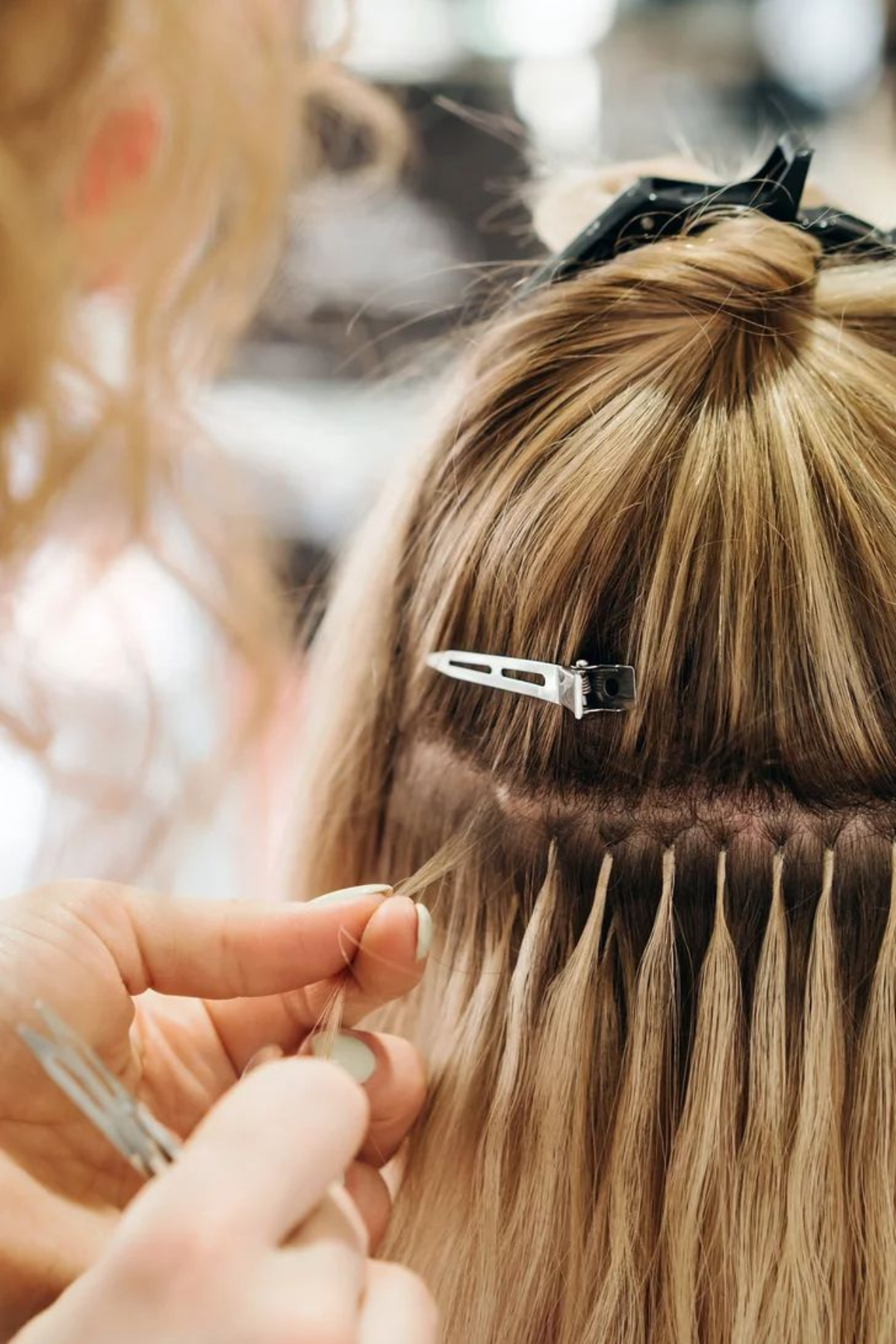
Clip-ins are my go-to emergency fix. Here’s why clip-ins work beautifully:
They add instant length where your cut feels too bare
They fill in gaps or holes left by uneven layers
They blend choppy sections so the haircut looks intentional
You can put them in yourself once you learn the placement
👉 Check out my guide on Hair Extensions for Thin Hair to find the best options that blend seamlessly and add real volume!
Try Hair Toppers or Halo Extensions for Bigger Fixes
If your cut feels uneven all around or your layers are extremely short, halos or toppers can be a lifesaver.
These are great if:
You're growing out a lob that’s now unintentionally a bob
Your layers were cut too short on top
You’re dealing with thin spots or bulky “shelf-y” layers
Use Temporary Color Hacks to Soften Harsh Lines
Hear me out: you don’t need a full color appointment, just a strategic trick or two.
For example:
A slightly deeper root can make short layers look more blended
Glosses add shine, which smooths the appearance of uneven cuts
Softening high-contrast highlights can hide choppiness
👉Check out my guide on Honey Brown Hair Color for inspo, tone tips, and how to make it pop!
Tweak the Haircut Yourself Only If…
Okay! deep breath.
Before you grab scissors, let me be the stylist in your ear, saying: only tweak your haircut at home if the fix is tiny and you feel 100% confident. I’ve seen so many people turn a mildly annoying haircut into a full meltdown because they snipped “just a little” more… and then a little more… and suddenly we’re in unplanned-pixie territory.
So here’s your safe, stylist-approved guide.
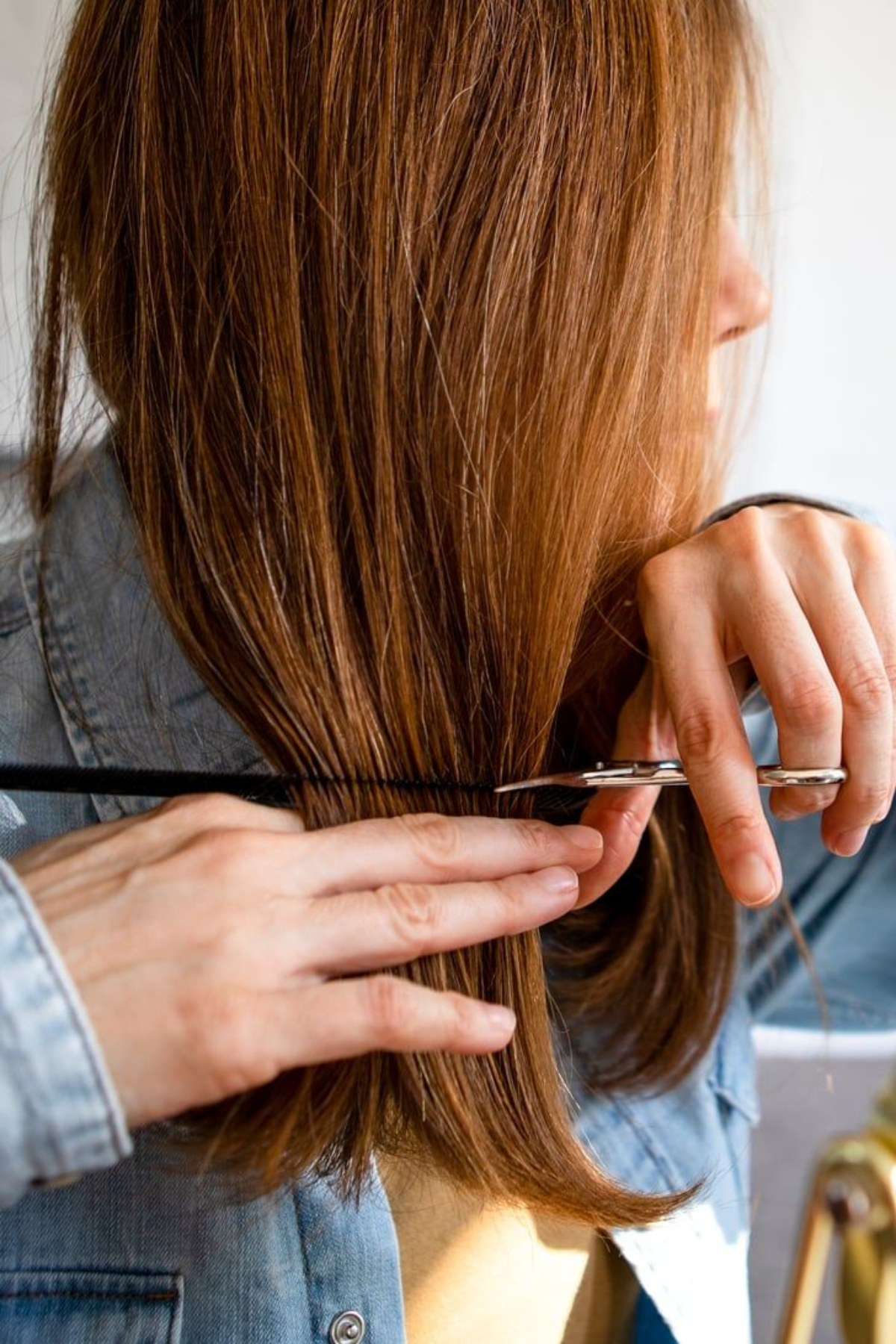
When Light Trimming Is Actually Okay
There are a few situations where a tiny self-trim makes sense:
Evening out one overly long bang piece
Removing one corner that flips out weird
Snipping a single bulky strand that won’t blend
These are what I call “micro adjustments”, little tweaks that don’t change the shape of your haircut, just soften it.
If you’re cutting more than a quarter-inch? You’ve crossed into “please don’t do this” territory.
How to Fix a Bad Haircut at Home (If You Absolutely Have To)
If you’re determined, here’s how to do it safely:
Start with dry hair.
Hair shrinks differently when wet; you’ll cut off way more than you intended.Use actual haircutting scissors, not kitchen scissors.
Kitchen scissors bend the hair → crooked lines → regret.Take tiny, tiny sections.
The smaller the section, the safer the result.Cut vertically, never straight across.
This avoids harsh lines and gives you softer, blended edges.Stop every 10 seconds to reassess.
If you keep cutting without checking, you’ll remove too much too fast.
What to 100% Avoid (Please Trust Me Here)
These are the tools and techniques that ruin DIY fixes:
Thinning shears: They create holes, shelves, and frizz if misused
Cutting wet hair: You’ll take off way more than you wanted
Freehand snipping with no mirror: Recipe for uneven layers
Watching TikToks and thinking you’re a stylist for the day
Trying to reshape your haircut at home completely
Create a Hair Grow-Out Plan You Can Stick To
If your haircut is really short or the shape just isn’t you, the most comforting thing I can tell you is this: hair grows, every single day, and you have more control over the grow-out phase than you think.
You don’t have to suffer through months of awkwardness. With the right routine, your hair will feel healthier, look better as it grows, and reach your target length faster.
Let’s build your grow-out game plan.

Set Realistic Growth Expectations
On average, hair grows about ½ inch per month. That means:
6 weeks = noticeable softening of the shape
3 months = enough length to reshape the cut
6 months = full transformation
Most bad haircuts only need 4–8 weeks before they feel “manageable” again.
Follow a Weekly Hair Routine to Support Faster, Healthier Growth
This part makes a bigger difference than people realize. When hair is nourished, it grows stronger, breaks less, and looks better while you’re waiting for length to come back.
Here’s a stylist-approved weekly plan:
Scalp massage (2–3x/week): boosts circulation + encourages new growth
Deep conditioning mask (1x/week): keeps ends healthy during the grow-out
Minimal heat styling: reduces breakage so you don’t lose precious length
Use a satin pillowcase or bonnet: protects hair from friction and split ends
Light oil or serum on ends: prevents dryness that makes cuts look uneven
👉Check out my Scalp Care Routine to Soothe an Irritated Scalp for calming tips and real relief!
Know When to Reshape Your Haircut
This surprises people, but sometimes the best way to grow out a bad haircut is a tiny reshape every 6–10 weeks.
A reshape doesn’t mean “cutting more.” It means:
Softening bulky layers
Evening out the perimeter
Removing split ends
Rebalancing the weight so your grow-out looks intentional
Troubleshoot: Fix Specific Haircut Disasters
Every “bad haircut” has its own personality. Some are “oops, this flipped weird,” while others feel like, “I cannot be seen in public right now.”
So let’s walk through the most common disasters I fix behind the chair, one by one, so you know exactly what to do for your situation.
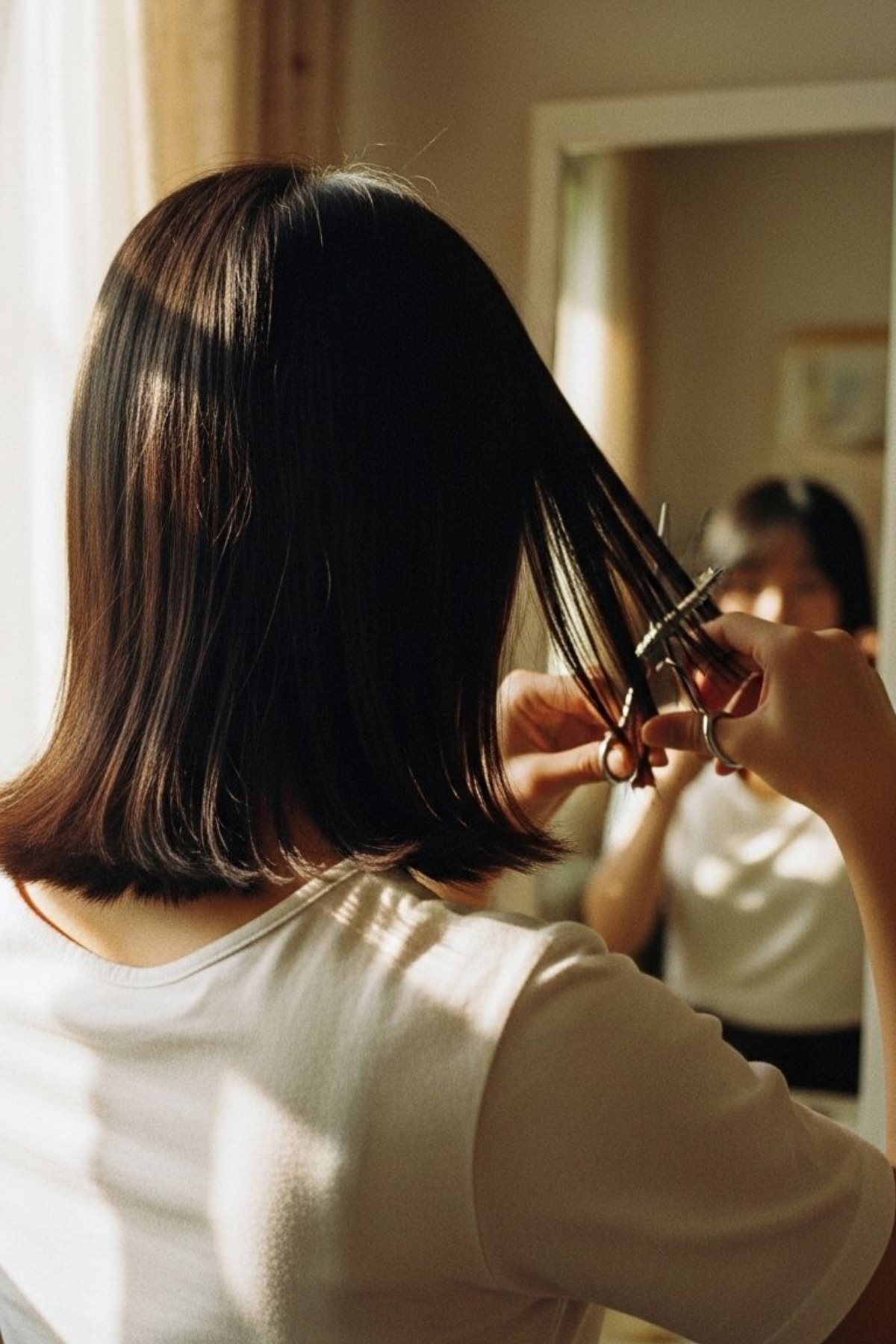
What to Do If Your Haircut Is Too Short
This is the most heart-dropping feeling, and honestly? One of the most fixable.
Here’s how to make it look intentional while it grows:
Add soft waves or bends to give the illusion of length
Use root lift at the crown to create vertical volume instead of horizontal width
Clip-in extensions at the bottom can instantly add inches
Tuck the shortest pieces behind your ear to soften the shape
Use lightweight oils to smooth out any “poofy” spots
How to Fix a Bad Haircut with Bangs
Bangs have two moods: cute… or chaos. If yours landed in chaos, here’s what to do:
Style them to the side using a round brush for a swoop
Add texture spray, so they blend into the rest of your hair
Use tiny clips to pin them back while they grow
Create curtain-style bends with a flat iron to hide blunt lines
Bangs grow about ½ inch per month, which is fast. They become wearable surprisingly quickly.
How to Fix a Bad Haircut (Male & Female Advice)
For men and short-hair-wearers:
Add matte styling paste for texture
Push hair forward or upward to hide uneven fades
Use clipper guards only for micro corrections (or better, wait for a reshape)
Consider a fade cleanup to balance the cut
For women with longer hair:
Use soft curls to blend choppy layers
Add clip-ins if the length feels sparse
Blow-dry with a round brush to create smoother transitions
Bad Haircut Depression Is Real
I’ve seen clients cry over haircuts. I’ve cried over my own haircuts. When people say “It’s just hair,” they’re ignoring how personal it feels.
A bad haircut can affect:
Your confidence
Your daily mood
Your desire to go out or be seen
How you feel in photos
How you show up at work or school
Here’s what I tell my clients when they’re spiraling:
This feeling won’t last; your hair will grow.
You have multiple ways to make it look better today.
There is a fix, even if you don’t see it yet.
You’re not alone; almost everyone has had a haircut horror story.
FAQs: About Bad Haircuts
Can a bad haircut be saved?
Absolutely! Most bad haircuts can be saved. Sometimes it’s just a matter of reshaping the layers, softening the perimeter, or adjusting the styling. In rare cases, you may need some grow-out time, but there is always a path forward. A professional correction plus a little strategic styling goes a long way.
How long does it take to grow out a bad haircut?
On average, hair grows ½ inch per month, so you’ll usually notice improvement within 4–6 weeks. Bangs and short layers grow out even faster. With a good grow-out plan, regular reshaping, nourishing products, and minimal heat, the awkward phase passes more quickly than you think.
What is the 3-2-1 rule for haircuts?
The 3-2-1 rule is a simple guideline stylists use:
- 3 weeks: small tweaks or bang trims
- 2 months: reshaping without losing much length
- 1 goal: keep the silhouette balanced as it grows
It helps you stay on track so your haircut keeps its shape as you grow it out.
What should I ask my stylist if I’m scared of getting another bad haircut?
Try saying something like:
- “Can we go slowly and take off less at first?”
- “Can you show me where the length will fall before cutting?”
- “Can we talk through the layers so I know what to expect?”
- “Can you explain how this cut will grow out?”
Final Word From Haiirology
Before you go, here’s the reminder I give every client who sits in my chair after a haircut goes wrong: you have way more options than you think. Even the worst cuts can be softened, reshaped, styled differently, or grown out with a plan.
You’re not stuck, and you’re definitely not alone.
Here’s a quick recap of how to fix a bad haircut:
Assess what’s actually wrong before taking action
Give your hair a few days to settle
Ask your stylist for a correction (it’s totally normal!)
Use styling tricks to blend or reshape problem areas
Add extensions if you need instant length
Only DIY tiny tweaks, not full-on fixes
Follow a grow-out routine that protects your length and sanity
Whether it’s a botched bang or an inch-too-short trim, you have multiple ways to fix a bad haircut and feel good again.
If you need help, want a second opinion, or just want someone to tell you it’s going to be okay (because it is), you can always reach out to me at @haiirology.com


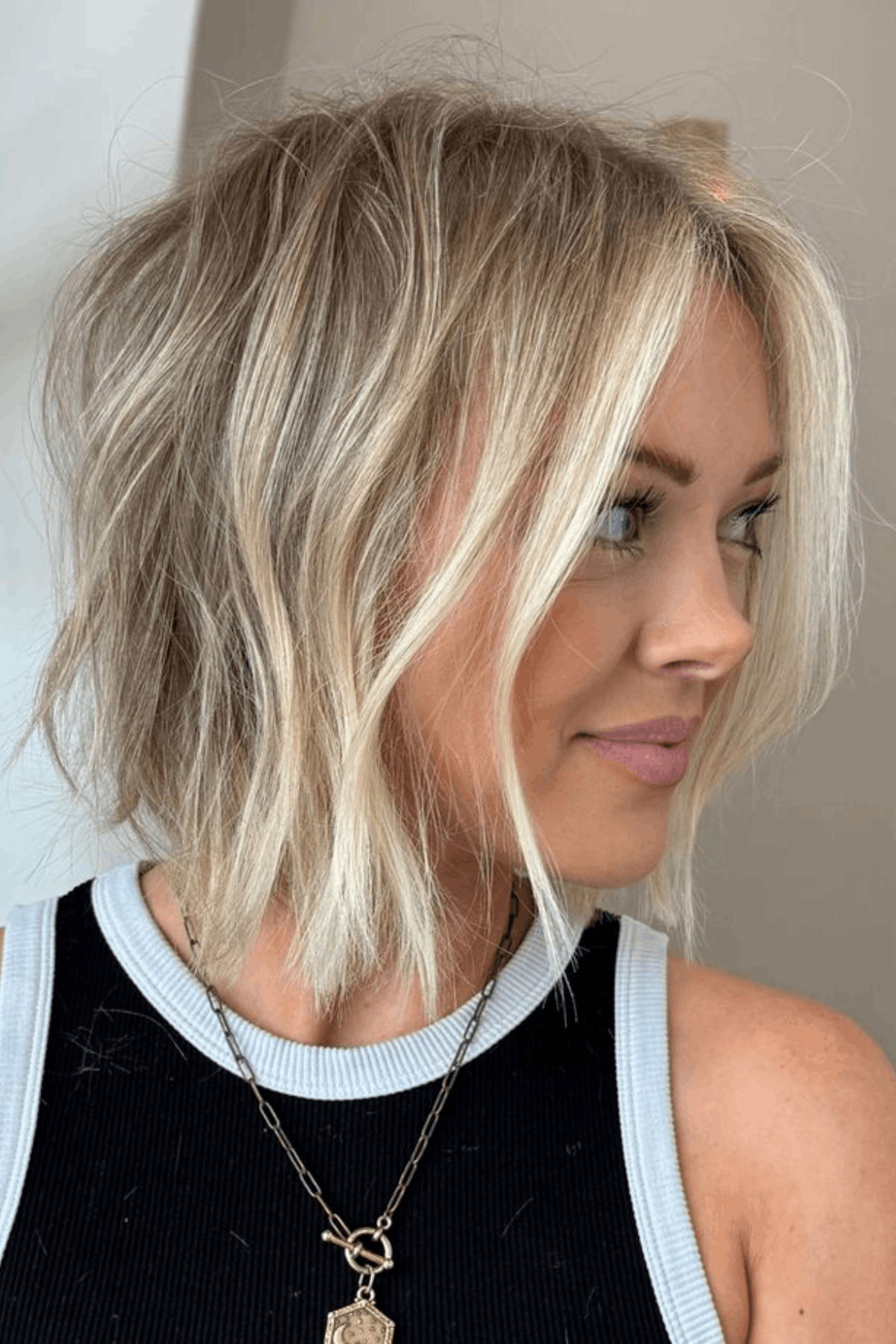






Struggling with styling? Discover low-maintenance haircuts for women over 40 that add volume, flatter your face, and save time every day.